
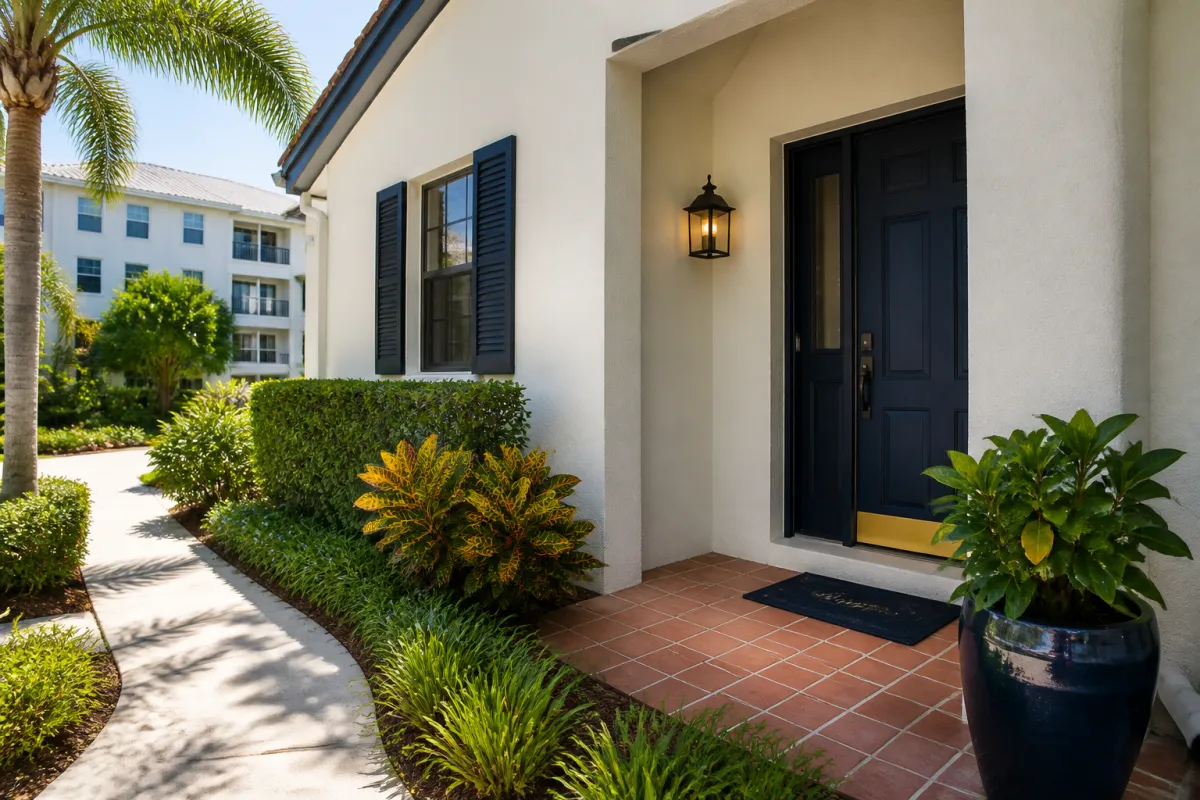
Florida Co-Op Mortgage Financing: Share Loan Guide
Florida Co-Op Share Loans: Guide
Yes, you may be able to buy or refinance a Florida co-op. You must qualify for the loan. The co-op and its records must also meet lender rules.
A co-op is different from a condo. You usually buy shares in the company that owns the building. The shares let you live in an apartment under a proprietary lease or occupancy agreement.
Start early. Confirm the ownership type. Ask for project records before you remove key contract protections.
Your approval does not mean the co-op will qualify.
Why co-op loans are different
With a condo, you usually get title to one unit. With a co-op, you usually get shares or another ownership interest in the company.
Your right to live there comes from a proprietary lease or occupancy agreement. The loan security is usually the shares and occupancy rights.
Fannie Mae describes co-op share loans this way. The exact records depend on state law, the project, and the lender.
| Topic | Typical condo | Typical co-op |
|---|---|---|
| What you buy | Title to a unit and an interest in common areas | Shares or another ownership interest in the company |
| Right to live there | Comes with unit ownership | Comes through a proprietary lease or occupancy agreement |
| Loan collateral | The real estate unit | The shares and occupancy rights |
| Building review | Condo project review | Co-op company and project review |
| Key documents | Declaration, budget, insurance, and association records | Share proof, proprietary lease, recognition agreement, company records, budget, insurance, and project-debt details |
Do not rely on a listing label. A listing may say apartment, condo, or waterfront residence. Ask how ownership works.
Tell your lender before you make an offer.
Can you use conventional financing for a Florida co-op?
Sometimes. Fannie Mae says eligible co-op share loans may fund a main home or second home. Its guide does not allow investment-property co-op share loans under that policy.
Not every lender offers co-op loans. Lenders may have different rules, investor limits, or overlays. Some may not offer co-op share loans.
Freddie Mac also treats co-ops as special collateral. Its review covers the project’s condition, sale value, finances, legal issues, occupancy rights, and insurance. Freddie Mac also expects approved sellers to have co-op experience.
Two reviews happen at once
Co-op financing has two reviews. The lender reviews you. It also reviews the co-op.
Your borrower file
The lender checks your income, work history, credit, assets, debts, down payment or equity, and planned use of the home.
It also checks the full housing cost. This may include the regular co-op charge. The charge may pay for costs, reserves, taxes, insurance, or other project costs.
The treatment depends on the project and loan program.
Your shares and occupancy rights
The lender needs proof of the loan security it will accept. This may include the share certificate, proprietary lease, occupancy agreement, and transfer records.
Fannie Mae’s legal rules include an assignment of the occupancy agreement. They also include records that help the lender protect and transfer its interest after a default.
This applies when law and practice require it. A recognition agreement may also be needed. It confirms the co-op company’s duties to the lender.
The proprietary lease
Read the proprietary lease with care. It explains your right to live in the apartment. It also explains your duties to the co-op.
It may cover monthly charges, repairs, subletting, transfers, defaults, and what happens if the lease ends.
For Fannie Mae-eligible financing, the occupancy right must usually last through the share loan’s end date. The records must not place unfair limits on sale, transfer, or subleasing.
If approval is needed, the lender may need proof before selling the loan to Fannie Mae. See Fannie Mae’s legal requirements for co-op projects. Other lenders may use different rules.
Building finances and blanket debt
Many co-ops have a blanket mortgage. This is debt on the whole property, not one apartment.
The project’s debt may affect the monthly co-op charge, value review, LTV calculation, or maximum loan amount. LTV means the loan amount compared with the home value.
The result depends on the loan program. It also depends on whether the borrower takes on part of that debt. Fannie Mae has separate rules for blanket mortgages and co-op project debt.
Give the lender this information early. The lender may also check the budget, financial statements, reserves, late payments, assessments, lawsuits, and major repairs.
A clean-looking apartment does not remove project-level risks.
Insurance and building condition
The project needs insurance that meets lender or investor rules. The review may include the main policy, deductibles, flood coverage when needed, and proof that coverage is active.
Older coastal buildings near St. Petersburg and Tampa Bay may have more records to review. Age alone does not make a co-op ineligible.
Repair plans, reserves, insurance renewals, and special assessments still matter.
Sale and rental rules can affect your options
Co-ops may limit sales, rentals, or transfers. Rules may include board approval, interviews, transfer fees, minimum ownership periods, rental limits, or a flip tax.
These rules do not always stop a loan. They must still fit the loan program and protect the lender’s interest.
Fannie Mae allows some flip taxes when project records meet its rules. The records must also avoid unfair limits on the lender’s ability to take, transfer, or sell its interest after default.
Ask a simple question. Could a rule make it harder to sell, rent, or complete a lender-required transfer later?
If the wording is unclear, ask a Florida real estate attorney to review it.
Records to request early in Florida
Florida’s Cooperative Act is in Chapter 719 of the Florida Statutes. Section 719.104 lists official records. These may include co-op records, rules, insurance policies, contracts, accounting records, financial reports, reserve studies, and inspection reports.
Review Section 719.104 for the current records rules.
Ask the seller, manager, or board for these items early:
- Proprietary lease or occupancy agreement and amendments
- Share certificate or other proof of ownership
- Articles, bylaws, rules, and transfer documents
- Current budget and recent financial statements
- Reserve information and special-assessment details
- Blanket mortgage or other project-debt information
- Master insurance declarations, deductibles, and flood details if relevant
- Board approval, resale, sublease, and transfer-fee rules
- Pending litigation, major repairs, inspection reports, and insurance-renewal information
For some residential co-op buildings with three habitable stories or more, Florida law requires a structural integrity reserve study at least every 10 years. The study covers some structural and safety items.
It does not replace an inspection or legal review. See Chapter 719 for the current Florida Cooperative Act.
What changes when you refinance?
A refinance may be possible. The same ownership and project issues still matter.
The lender may need new proof of share ownership, the proprietary lease, recognition records, insurance, project finances, and blanket debt.
Changes since your purchase can affect approval. These may include new assessments, weaker finances, insurance changes, or new building rules.
Do not assume your current loan type is still available. If you want to keep a separate credit line, see our guide on refinancing a Florida mortgage while keeping a HELOC.
Start the offer and loan process early
- Confirm the ownership type. Ask if it is a condo, co-op, or another type of ownership.
- Talk with a lender before the offer. Ask if the lender offers co-op share loans.
- Request the project package early. Management response times can affect your contract dates.
- Review key rules. Focus on board approval, leasing, transfer fees, assessments, and sale limits.
- Leave time for project review. Borrower approval does not finish the co-op review.
- Use the right professionals. Your lender, closing professional, insurance agent, and Florida attorney may review different issues.
This work can find problems before you spend more on appraisal, inspection, and closing steps. For more offer-stage questions, see questions to ask a Florida mortgage lender before making an offer.
Why condo rules do not always apply
Both condos and co-ops have building-level reviews. The loan security is different.
A co-op lender reviews the company, the borrower’s shares, and occupancy rights under a lease or agreement. A condo lender usually reviews a deeded unit in a condominium project.
For comparison, see our St. Petersburg condo financing guide. It covers project issues such as insurance, association finances, and warrantability.
You should still check the co-op records for rules unique to that building. You may also review how HOA fees can affect mortgage qualification and why special assessments and weak reserves can affect approval.
Frequently asked questions
Can I buy a Florida co-op as a second home?
Possibly. Fannie Mae allows eligible co-op share loans for a main home or second home. The lender, project, loan program, and borrower file must still meet the rules.
Investment use is treated differently under that policy.
Will the co-op board need to approve me?
Many co-ops have an approval process. Rules vary by building. Ask for the transfer package and timeline before making an offer.
Board approval does not replace lender approval. Lender approval does not replace board approval.
Does a special assessment stop a co-op loan?
Not always. The lender may check the amount, purpose, payment terms, project finances, and loan-program rules.
Report a pending assessment early.
Can I rent out a co-op apartment later?
Maybe. The proprietary lease and co-op rules control. Rental limits may also affect financing and resale plans.
Review sublease rules before closing.
Official resources
- Fannie Mae: Loan Eligibility for Co-op Share Loans
- Fannie Mae: Co-op Project Eligibility
- Fannie Mae: Legal Requirements for Co-op Projects
- Freddie Mac: Cooperative Projects and Cooperative Share Loans
- Florida Statutes, Section 719.104
- Florida Statutes, Chapter 719
Compliance note: This article is for education only. Loan programs, property rules, documents, insurance, and lender terms vary. Financing is subject to underwriting, credit approval, property review, and applicable program requirements. This is not a commitment to lend.